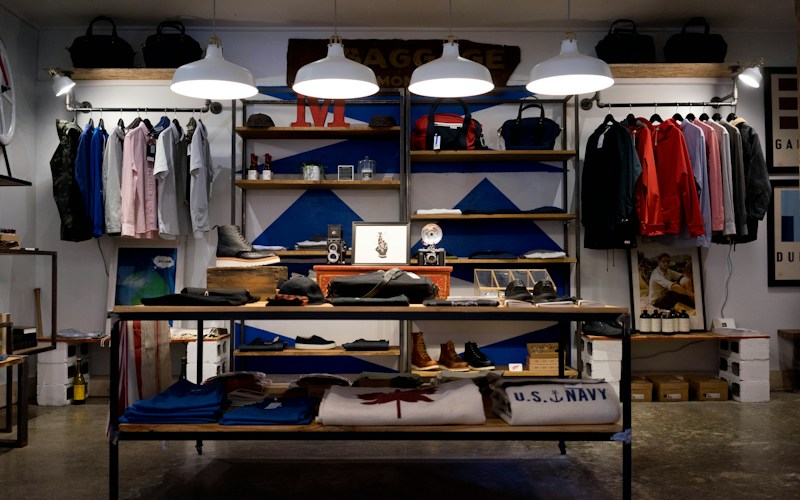
CapEx Benchmarks for Small Retail in Southern Taiwan
Realistic fit-out, equipment, and opening inventory ranges for shops under 50 ping in Tainan and Kaohsiung.
Undercapitalisation is the most common reason small retail ventures fail in the first year. Founders budget for rent and stock but underestimate fit-out, signage, POS systems, and the cash buffer needed before revenue stabilises.
Fit-out ranges (per ping)
These figures reflect 2025 contractor quotes in Tainan for spaces under 50 ping. Actual costs vary with materials and landlord requirements.
| Trade | Basic fit-out | Mid-range fit-out |
|---|---|---|
| Clothing / accessories | NT$15,000–20,000 | NT$25,000–35,000 |
| Bakery / light F&B | NT$25,000–35,000 | NT$40,000–55,000 |
| Beauty / nail salon | NT$20,000–30,000 | NT$35,000–50,000 |
| Tutoring / classroom | NT$10,000–15,000 | NT$18,000–25,000 |
Landlords in historic districts often require heritage-compliant materials, pushing costs to the upper band.
Equipment and technology
Budget separately from fit-out. A POS system with receipt printer runs NT$25,000–45,000. Commercial refrigeration for food trades: NT$80,000–200,000 depending on capacity. Salon equipment packages start around NT$150,000 for two stations.
Opening inventory
Retail clothing: 2–3 months of projected COGS as initial stock. Food service: 2–4 weeks of ingredients plus packaging. Do not stock to full capacity on day one — turnover data from your first month should drive reorder quantities.
The working capital buffer
We recommend holding three months of total fixed costs (rent, salaries, utilities, loan repayments) in cash beyond opening day expenses. For a 30-ping café with two staff, that buffer typically falls between NT$350,000 and NT$550,000.
Why benchmarks alone are insufficient
A benchmark tells you what similar shops spent. Your lease may require a grease trap, a second fire exit modification, or a noise insulation upgrade that adds NT$200,000 unexpectedly. A Venture Feasibility Study itemises these costs for your specific site.